Cow with Bandana 4th of July: A Designer's Review
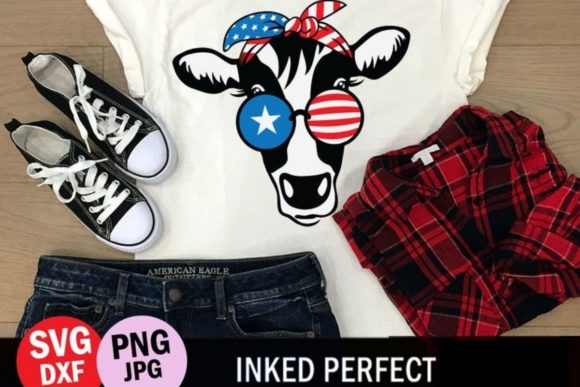
When I first opened the file for Cow with Bandana 4th of July, my immediate reaction was a mix of amusement and practical curiosity. As someone who spends hours evaluating embroidery files for client projects and personal craft businesses, I know that the difference between a cute digital image and a successful stitched product often comes down to execution. This design is undeniably festive, featuring a heifer sporting a head tie and glasses patterned with the U.S. flag. It falls squarely into the Graphics category within the broader Crafts niche, but does it translate well to the hoop? Let's break down how this design performs in real-world scenarios.
The First Impression: Mood and Visual Personality
The moment you see Cow with Bandana 4th of July, it screams "summer fun." The concept of a cow wearing patriotic accessories creates an instant mood of lighthearted Americana. For designers looking to add personality to their shop without being overly serious, this is a strong contender. The layout is centered, which suggests versatility, but the specific details—the bandana tied around the head and the flag-printed glasses—add a layer of visual interest that elevates it above a standard animal silhouette.
In terms of visual appeal, the design relies on the contrast between the cow's form and the busy pattern of the flag. If executed correctly, the glasses and head tie will serve as excellent focal points. However, from a critical eye, the success of this project hinges entirely on how those patterns are rendered. Will the flag stripes remain distinct, or will they blur into a muddy red and white blob? That is the question every designer must answer before hitting the start button on their machine.
Real-World Application: From Digital File to Finished Product
I recently considered using Cow with Bandana 4th of July for a batch of custom tote bags intended for a local summer festival. The goal was to create affordable, high-volume merchandise that would catch the eye of passersby. My initial thought process revolved around the durability and visibility of the design on canvas fabric.
For a tote bag, the design size is crucial. If the file is too small, the flag pattern on the glasses becomes indistinguishable. If it is too large, the cow might look out of proportion on a standard 10x10 inch tote. In this scenario, I would recommend placing the design on the front center of the bag. The sturdy nature of canvas can handle the density required for the fill stitches, provided the stabilizer is adequate. The result would be a durable item that customers could use year-round, making the holiday theme a permanent part of their daily carry rather than a fleeting decoration.
Beyond totes, this design has potential for other custom apparel. Imagine a sweatshirt for a family reunion or a baby onesie for a newborn born near Independence Day. On a soft cotton jersey shirt, the design needs to be balanced so that the stitching doesn't distort the fabric. The playful nature of the cow fits perfectly with personalized gifts where humor is appreciated. Parents love unique items for their kids, and a patriotic cow is a conversation starter at the playground.
Navigating Technical Challenges and Fabric Choices
While the concept is sound, not every surface is suitable for Cow with Bandana 4th of July. There are specific constraints we must respect to ensure professional results. One of the biggest hurdles is working with textured fabrics. If you attempt to stitch this design onto a heavy denim jacket or a rough burlap sack, the detail in the glasses might get lost in the weave of the material. The running stitches used for outlines may not lay flat against uneven surfaces, leading to a messy appearance.
Another area requiring caution is small hoop sizes. If you are trying to fit this design onto a cap or a small embroidered patch, the complexity of the flag pattern could become a liability. Dense stitch areas in tight spaces often lead to puckering, especially if the underlying fabric is thin or stretchy. When working with stretchy fabric like athletic wear, the tension of the threads can cause the garment to warp, ruining the symmetry of the cow's face.
Dark fabrics present another consideration. Since the description mentions printing on colored or white shirts, we must assume the design includes thread colors that pop against dark backgrounds. If the cow is light-colored and the background is black, the contrast will be high. However, if the design relies heavily on light blues or pinks for the flag pattern, they might disappear against a navy blue shirt. Always test your thread colors against your chosen fabric to ensure the U.S. flag remains recognizable.
Impact on Brand Value and Customer Trust
For Etsy sellers and small shop owners, the quality of the embroidery directly influences customer trust. A sloppy stitch job can make a handmade product feel cheap, regardless of the clever design. Cow with Bandana 4th of July has the potential to be a bestseller because of its novelty, but only if the finishing touches are impeccable. Customers buying holiday embroidery items expect them to withstand washing and wear.
If the design is crisp, with clean edges and no loose threads, it signals professionalism. It tells the buyer that you care about the details, even when the subject matter is whimsical. Conversely, if the flag pattern looks like a smudge or the glasses are misaligned, the entire brand perception suffers. In the world of commercial embroidery, consistency is key. Using a reliable design like this one can help maintain a cohesive look across your product line, whether you are selling kitchen towels, pillow covers, or boutique branding materials.
Practical Notes for the Embroidery Designer
Before you commit to a full production run, there are several steps every designer should take. First, always test the design on scrap fabric. This simple step can reveal issues with stitch density or tension that aren't visible on the screen. Check the hoop size requirements carefully; if the file is designed for a 6x6 hoop but you need it for a 5x7, you may encounter scaling issues.
Inspect the small details closely. The glasses and the bandana knots are likely composed of many tiny stitches. Ensure these areas have enough backing to prevent the fabric from showing through. Reviewing the design in a printable mockup or converting it to black and white can help you visualize the contrast levels before you spend money on thread.
Furthermore, confirm your licensing terms. Many digital embroidery files come with restrictions on commercial use. If you plan to sell finished products featuring Cow with Bandana 4th of July, you need explicit permission to do so. Do not assume that purchasing the file grants you unlimited rights. Check the documentation provided by the creator regarding design assets and embroidery project usage.
Finally, consider the stabilizer. For a design with mixed stitch types, such as satin stitch for outlines and fill stitch for the body, a cut-away stabilizer is often the safest bet to maintain shape over time. This is especially important for items that will be washed frequently, like baby embroidery items or tea towels.
Ultimately, Cow with Bandana 4th of July is a charming addition to any collection of machine embroidery designs. It offers a unique blend of humor and patriotism that resonates with audiences during the summer months. By paying attention to fabric selection, stitch density, and proper testing, you can transform this digital graphic into a tangible, high-quality handmade product that brings joy to your customers. Whether you are creating a single gift or building a catalog of crafter business items, this design deserves a spot in your workflow—with the right preparation, of course.