GRAREFUL, THANKFUL, BLESSED ThanksGiving Embroidery Review
As someone who has spent years reviewing embroidery files and stitching designs for everything from boutique apparel to high-volume commercial orders, I know that the difference between a good project and a great one often lies in the details of the design itself. When I first encountered the GRAREFUL, THANKFUL, BLESSED ThanksGiving file, my initial reaction wasn't just about the text; it was about the mood. The phrasing alone carries a warmth that resonates deeply with the holiday season, but as a designer, I had to look past the sentiment and ask: does this hold up under the needle? Can it survive the rigors of real-world production?
This review is not just a list of features; it is a practical assessment based on how this digital asset performs when translated from a screen into thread. Whether you are an Etsy seller looking to expand your holiday catalog or a crafter making personalized gifts, understanding the mechanics of the design before you start stitching is crucial.
First Impressions and Visual Personality
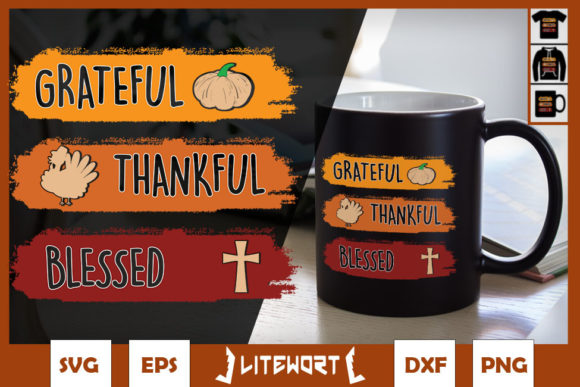
The layout of GRAREFUL, THANKFUL, BLESSED ThanksGiving suggests a stacked or centered composition, which is classic for home decor and apparel. The visual personality here is inviting and nostalgic. It doesn't scream for attention like a bold graphic tee design; instead, it whispers comfort. This makes it naturally suited for items where the texture of the fabric plays a significant role. When you think of Thanksgiving, you think of cozy fabrics, warm lighting, and family gatherings. A design with this title fits perfectly into that aesthetic.
From a design standpoint, the choice of words creates a strong emotional hook. For small business owners, this is valuable because it taps directly into the "giftability" factor. Customers aren't just buying a piece of cloth; they are buying a sentiment. However, the success of the final product depends entirely on how well the stitch work supports that sentiment without looking cluttered or amateurish.
A Real-World Scenario: The Custom Tote Bag Project
To truly evaluate this file, let's imagine a specific scenario. I am preparing a batch of custom embroidered tote bags for a local craft fair. These bags will be made of sturdy canvas, intended to carry groceries or books, and they need to look professional enough to command a higher price point. I decide to use the GRAREFUL, THANKFUL, BLESSED ThanksGiving design for this project.
The first challenge is placement. On a tote bag, the design needs to be large enough to be legible but not so large that it dominates the entire surface area. If the design includes fine details in the lettering, I would worry about the stability of the stitches on a woven canvas. Canvas can be tricky; it has a distinct grain that might distort a dense fill stitch if the stabilizer isn't chosen correctly. In this scenario, the design works best if it utilizes a mix of satin stitches for the outlines and softer fill stitches for the body of the letters.
I also consider the color palette. Thanksgiving is associated with autumnal tones—burnt orange, deep red, mustard yellow, and forest green. If I pair this design with a neutral cream or tan canvas, the contrast will pop beautifully. But if I were to put it on a dark navy or black canvas, I would need to ensure the thread colors selected have enough opacity to stand out against the dark background. The versatility of the file allows for these variations, but the outcome relies heavily on the user's ability to select the right thread weights.
Performance Across Different Projects
While the tote bag is a strong candidate, GRAREFUL, THANKFUL, BLESSED ThanksGiving has potential across a wide range of categories within Crafts and Graphics. For instance, applying this to a baby onesie requires a different approach than applying it to a sweatshirt. Baby garments demand softness and flexibility. If the design has too much density, it could become stiff and uncomfortable against a baby's skin. In this case, the design would need to be scaled down slightly, and the stitch density reviewed to ensure it remains gentle.
For adult apparel like hoodies or sweatshirts, the design shines. These garments are forgiving and provide a solid base for embroidery. You could easily turn this into a front-chest logo or a larger back-print design. Similarly, for kitchen towels and aprons, the theme is perfect. A tea towel featuring this design adds a touch of holiday spirit to the kitchen, and the durability of the embroidery ensures it survives frequent washing.
However, there are limitations. If you plan to use this for an embroidered patch, the edge finish becomes critical. Patches require clean edges and often a merrowed border. If the design file does not account for the necessary trimming space, the patch might look frayed after cutting. For caps and hats, the curvature of the crown presents a challenge. Text that curves too sharply can look distorted if the digitization isn't optimized for a 5-inch or 6-inch hoop. Always check the hoop size compatibility before committing to a hat project.
Navigating Potential Pitfalls
Not every fabric is created equal, and GRAREFUL, THANKFUL, BLESSED ThanksGiving will react differently depending on the material. Stretchy fabrics like jersey or fleece can cause the design to pucker if the stabilizer is not heavy-duty enough. Thin fabrics, such as light cotton or silk, may not support the weight of the thread required for a bold design, leading to visible holes or tearing.
Dense stitch areas are another consideration. If the design packs too many stitches into a small space, it can create a hard, unyielding spot on the garment. This is particularly problematic for items that will be folded or packed tightly, like pillow covers or blankets. Over time, excessive density can lead to thread breakage or machine jams. It is essential to inspect the design file for any overly dense sections before running a full production batch.
Practical Designer Notes for Success
Before you load this file into your machine, there are several steps you must take to ensure a professional finished product. First and foremost, always test the design on scrap fabric. This simple step can save you hours of frustration and wasted materials. Check how the thread colors interact with your specific fabric choice. Sometimes a color looks vibrant on screen but appears dull once stitched.
Review the stitch density carefully. If the design feels too heavy, consider reducing the density settings in your embroidery software or switching to a lighter weight thread. Confirm that your hoop size matches the dimensions of the design; forcing a large design into a small hoop can result in missed stitches or distortion. Also, inspect small details closely. Tiny serifs or decorative accents can sometimes get lost or merge together during the stitching process, especially on textured fabrics.
Don't forget to test your mockups in black and white. This helps you visualize the contrast and readability of the design without the distraction of color. Compare how the design looks on both light and dark backgrounds to ensure versatility. Using the proper stabilizer is non-negotiable; for stretchy fabrics, a cut-away stabilizer is usually best, while woven fabrics might do well with tear-away options.
Finally, verify your licensing terms. Since this is a digital product containing EPS, SVG, PNG, and DXF files, you need to understand what you are allowed to do with them. Are you permitted to sell finished items made with this design? Does the license cover commercial use for your shop? Checking these details protects your business from legal issues and ensures you are using the assets ethically.
In conclusion, GRAREFUL, THANKFUL, BLESSED ThanksGiving is a thoughtful design that offers great potential for holiday-themed projects. Its strength lies in its emotional resonance and versatility across various mediums, from tote bags to nursery decor. By approaching the digitization process with care and paying attention to fabric choices and stabilization techniques, you can transform this digital file into a stunning, market-ready product that customers will love.