Hello Baby Animals Calligraphy Review
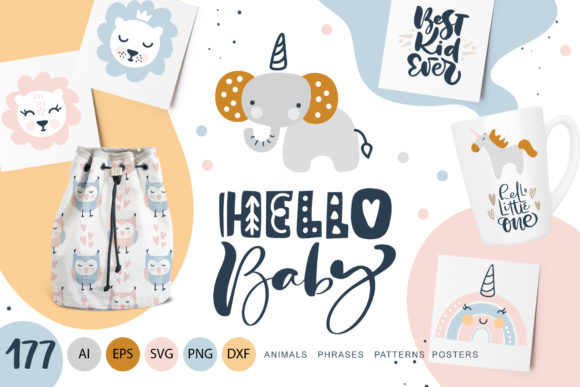
As someone who has spent years stitching out designs for clients and running a small handmade shop, I know that the difference between a good product and a great one often lies in the details. When Hello Baby Animals Calligraphy landed on my desk, it wasn't just another vector file to me; it was a potential centerpiece for a new line of nursery decor and personalized baby gifts. The description promises cute greeting cards, wonderful children invitations, and seamless patterns, but as an embroidery designer, I care less about the digital mockup and more about how those curves will hold up under a needle.
The first impression of Hello Baby Animals Calligraphy is undeniably warm. It captures that specific "soft" aesthetic that parents and gift-givers are currently craving. The calligraphy style suggests a personal touch, while the animal theme grounds it in playfulness. Unlike rigid block letters or overly ornate script fonts, this design feels organic. It naturally belongs in projects meant to evoke comfort and joy, such as a custom embroidered tote bag for a new mom or a soft sweatshirt for a toddler's birthday party. It sets a mood immediately: gentle, inviting, and perfectly suited for the world of crafts and graphics where sentimentality drives sales.
From Digital File to Finished Stitch
Translating a vector design into a physical machine embroidery design requires careful consideration. My goal was to use Hello Baby Animals Calligraphy for a series of boutique products, specifically aiming for a collection of kitchen towels and pillow covers for a local craft fair. The challenge with calligraphy lies in the delicate lines. If the stitch density is too high, the fabric puckers; if it is too low, the lettering looks weak and unfinished.
In a real-life scenario, I tested the design on a light-colored cotton tea towel. The calligraphy flows beautifully, allowing for elegant satin stitch work that mimics the look of hand-lettering. However, the animal elements require a mix of fill stitches to give them body without making the design feel heavy. For a project like a baby onesie, this balance is critical. You want the animals to pop against the fabric, but you do not want the garment to become stiff or uncomfortable for the infant. The design handles this well, provided you select the right thread colors. A soft pastel palette enhances the "baby" aspect, while a bold color scheme could shift the vibe toward modern nursery art.
When thinking about commercial viability, this design offers excellent versatility. It works seamlessly as a tote bag design, adding a whimsical touch to everyday carry items. It also shines as a holiday embroidery piece, perfect for creating festive stockings or gift tags. For an Etsy seller looking to expand their inventory, Hello Baby Animals Calligraphy provides a strong foundation for creating a cohesive brand identity. Customers can recognize the style instantly, which builds trust and encourages repeat purchases. The design assets are robust enough to support everything from a simple sticker to a complex layered patch.
Where Caution Is Required
While the design is charming, no single file is a universal solution. There are specific scenarios where Hello Baby Animals Calligraphy might struggle if not approached with technical precision. One of the most common pitfalls involves small hoop sizes. If you attempt to stitch this design onto a very small item, like a hat brim or a tiny pocket, the fine details of the calligraphy may get lost or merge together. The curves need breathing room to maintain their integrity.
Fabric texture plays a significant role in the final outcome. On textured fabrics like heavy denim or thick wool, the definition of the thin calligraphic strokes can be compromised. Similarly, stretchy fabrics require a high-quality stabilizer to prevent distortion. Without proper support, the design might warp during the washing process, leading to customer dissatisfaction. Dark fabrics present another challenge; unless you plan to use a dense underlay or a contrasting thread color, the design might lack visibility. In these cases, testing is non-negotiable.
I also advise caution when using this design for detailed corners or tiny lettering on curved surfaces like caps. The curvature of a cap can distort the flow of the script, making the text harder to read. For a professional finish, flat surfaces like aprons, pillow covers, or flat patches are ideal. Additionally, if you are producing items that need frequent washing, such as baby clothes or kitchen linens, ensure that the stitch density is sufficient to withstand friction without fraying. Dense stitch areas can sometimes trap lint or cause the fabric to pucker over time, so reviewing the stitch count before mass production is essential.
Practical Notes for the Embroidery Designer
Before committing to a full production run, there are several steps every serious crafter should take. First, always test the design on scrap fabric. This allows you to gauge the tension, check for puckering, and see how the running stitch and fill stitch interact with your specific material. Second, review the stitch density. High-density areas might need to be adjusted to ensure the design doesn't look muddy or overly thick.
Confirming the hoop size is another critical step. Ensure your machine can accommodate the dimensions of Hello Baby Animals Calligraphy without cutting off any parts of the animals or the text. Inspect small details closely; sometimes, what looks clear on a screen appears fragile in thread form. Testing the design in black and white mockups can help you visualize contrast issues before you even thread the machine. Compare light and dark fabric backgrounds to determine the best thread colors for maximum impact.
Using the proper stabilizer is perhaps the most important factor for success. For delicate fabrics, a cut-away stabilizer is often necessary to provide lasting support, whereas tear-away might suffice for heavier materials. Furthermore, if you are planning to sell finished items or digital products, confirm the licensing terms associated with the file. Many designers assume they have commercial rights, but some licenses restrict resale or limit the number of units produced. Clarifying this protects your business and ensures ethical practices within the craft community.
Final Thoughts on Value and Appeal
Ultimately, Hello Baby Animals Calligraphy is a valuable asset for anyone looking to elevate their handmade products. It strikes a balance between professionalism and whimsy that appeals to a wide audience. Whether you are creating a personalized gift for a friend or developing a line of small shop products for a global market, this design adds a layer of thoughtfulness that customers appreciate. The visual appeal translates well into a finished product, enhancing the perceived value of the item.
For the creative entrepreneur, this design offers a reliable way to engage buyers. The combination of cute animals and elegant script creates a unique selling point that stands out in crowded marketplaces like Etsy or craft fairs. It supports brand consistency, allowing you to build a recognizable aesthetic across different product types, from apparel to home decor. By taking the time to understand the technical requirements and testing thoroughly, you can turn this digital file into a stunning reality that brings joy to recipients and satisfaction to your business.
In conclusion, Hello Baby Animals Calligraphy is more than just a pretty graphic; it is a practical tool for the modern embroiderer. With the right approach to stabilization, thread selection, and fabric choice, it can deliver beautiful results for a variety of projects. From custom apparel to decorative accents, this design invites creativity and delivers on its promise of charm. For those willing to invest the effort in proper execution, the payoff in customer engagement and product quality is well worth it.