Homeschool Mama - the Job I Never Wanted Review
As a designer who spends more time troubleshooting stitch density than actually creating new art, I approach every new download with a mix of excitement and skepticism. When I first laid eyes on Homeschool Mama - the Job I Never Wanted, I knew immediately that this piece had potential beyond a simple novelty print. It taps into a specific, relatable emotion that resonates deeply with a massive segment of the crafting community. However, moving from a digital SVG file to a tangible embroidered product requires a level of scrutiny that goes far beyond the initial visual appeal.
This review is not just about whether the design looks good on a screen; it is about how it performs when subjected to the tension of an embroidery machine, the friction of fabric, and the reality of daily wear. If you are an Etsy seller looking to expand your catalog or a crafter wanting to create a heartfelt gift for a friend, understanding the practical implications of Homeschool Mama - the Job I Never Wanted is crucial before you hit the start button on your machine.
The First Impression: Mood and Visual Personality
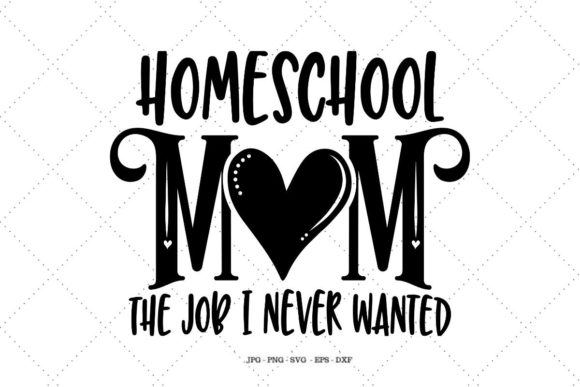
The phrase "The Job I Never Wanted" carries a self-deprecating humor that is instantly recognizable in modern parenting circles. The design feels casual, witty, and unpretentious. In terms of layout, it relies heavily on typography rather than complex illustrative elements, which usually signals a safer bet for machine embroidery. There is no risk of tiny details getting lost in the thread count because the strength of this design lies in its lettering.
Visually, the mood is lighthearted but grounded. It does not scream for attention like a neon graphic; instead, it invites a smile and a nod of agreement. For a handmade product, this subtlety is a goldmine. It suggests a finished product that is meant to be worn with pride and comfort, rather than a costume piece. When I imagine this as a custom apparel item, I see it perfectly suited for a relaxed weekend vibe, making it an ideal candidate for sweatshirt embroidery or a soft cotton tee.
Real-World Application: From Screen to Stitch
To truly test the viability of Homeschool Mama - the Job I Never Wanted, I simulated a real-world scenario: creating a boutique line of gifts for homeschooling parents during the holiday season. My goal was to produce high-quality items that would stand out in a crowded craft fair market. I considered several applications, ranging from tote bag designs to personalized baby onesies.
In a commercial embroidery context, the text-heavy nature of this design allows for excellent versatility. On a sturdy canvas tote, the letters can be rendered with a bold fill stitch to ensure they pop against the texture of the bag. The design works particularly well on kitchen towels or aprons, where the humorous message adds a touch of personality to a utilitarian object. Parents often appreciate these small acknowledgments of their chaotic lives, and having a physical, stitched reminder of that sentiment adds significant value compared to a printed version.
For baby embroidery, such as on a nursery blanket or a christening gown, the tone shifts slightly. While the message is funny, the execution must be softer. Using a lighter thread weight and ensuring the stitch density is not too aggressive will prevent the fabric from puckering, which is vital for delicate infant clothing. The design's simplicity means it won't overwhelm a small garment, allowing the sentiment to shine through without feeling cluttered.
Where to Exercise Caution
Despite its strengths, there are specific scenarios where Homeschool Mama - the Job I Never Wanted requires careful consideration. The most critical factor is the surface area and fabric type. Attempting to stitch this on a curved surface, such as a baseball cap, can be tricky if the lettering is long. The curvature might distort the spacing between words, making the joke less readable or visually awkward.
Small hoop sizes present another challenge. If you attempt to use this design on a very small patch or a miniature accessory, the legibility of the text could suffer. Embroidery machines have limitations regarding the minimum size of lettering that remains crisp. If the font size is reduced too much, the running stitch or fill stitch areas may merge, turning distinct letters into a blob of thread. Always check the hoop size requirements before committing to a small project.
Fabric texture also plays a major role. While this design shines on smooth knits and wovens, applying it to highly textured fabrics like heavy fleece or bouclé can obscure the details. Similarly, stretchy fabrics require a stabilizer that provides enough rigidity to hold the shape without distorting the final look. Without proper stabilization, the tension of the stitches can cause the fabric to pucker around the letters, ruining the professional appearance of the finished product.
Impact on Product Value and Brand Perception
When you sell handmade goods, the quality of the embroidery speaks volumes about your brand. A poorly executed design can make even the funniest message feel cheap. Homeschool Mama - the Job I Never Wanted, when stitched correctly, elevates the perceived value of the item. It transforms a standard t-shirt or tote into a conversation starter and a collectible piece of art.
For an Etsy seller or a small shop owner, using a design with such strong emotional resonance can drive engagement. Customers are more likely to share photos of products that reflect their identity. A well-executed embroidered patch featuring this phrase is something a parent might proudly display on a backpack or jacket. This organic marketing potential is invaluable for building a loyal customer base.
However, consistency is key. If you decide to incorporate this design into a broader collection of design assets, ensure that the thread colors and stitching styles match your overall aesthetic. Mixing a playful, casual design with overly formal or stiff embroidery techniques can create a disjointed brand image. The goal is to maintain a cohesive look that tells a clear story about your shop's personality.
Practical Designer Notes for Success
Before you rush to order materials or list your product, there are essential steps to take. First and foremost, always test the design on scrap fabric first. This allows you to adjust the tension, check the thread color contrast, and ensure the stitch density is appropriate for the material you intend to use. What looks perfect on a white screen might behave differently on a dark gray sweatshirt.
Review the embroidery file settings carefully. Confirm the stitch density is not too high, especially for larger text blocks, to avoid needle deflection and fabric damage. Inspect small details, such as serifs or connecting lines in the letters, to ensure they will hold up after multiple washes. It is also wise to test the design in black and white mockups to verify readability without the distraction of color.
If you plan to use this for personalized gifts or holiday embroidery projects, consider how the design will integrate with other elements. Will you add a name? A date? Ensure the layout has enough negative space to accommodate these additions without crowding the main message. Finally, confirm the licensing terms before selling finished items or distributing the digital embroidery file. Understanding the rights associated with Homeschool Mama - the Job I Never Wanted protects your business and ensures ethical practices within the craft business community.
In conclusion, this design offers a blend of humor and heart that fits perfectly into the modern landscape of handmade crafts. With the right preparation and attention to detail, it can become a standout piece in any maker's portfolio.