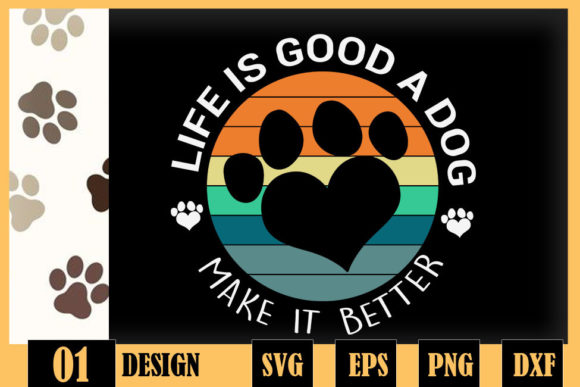
Life is Good a Dog Makes It Better Review
When I first opened the file for Life is Good a Dog Makes It Better, my immediate reaction was one of warmth. As someone who has stitched thousands of designs for clients ranging from local boutiques to Etsy shops, I know that the difference between a generic graphic and a design that sells often comes down to emotional resonance. This piece isn't just text on a screen; it carries a specific mood that feels like a hug in stitch form. It strikes a perfect balance between casual comfort and professional polish, making it an ideal candidate for anyone looking to create heartfelt handmade products.
The layout is clean, with the typography taking center stage while leaving enough negative space for texture to shine through. In the world of machine embroidery, negative space is gold because it allows the fabric's character to peek through the threads. Whether you are planning to put this on a soft cotton tote bag or a sturdy denim jacket, the design adapts well to different visual personalities. It doesn't scream for attention but rather invites the viewer to pause and appreciate the sentiment. For crafters and small business owners, this kind of subtle yet powerful messaging is exactly what drives customer engagement and repeat sales.
Real-World Application: The Tote Bag Scenario
Let me walk you through how I envision using Life is Good a Dog Makes It Better in a real project. Imagine you are preparing inventory for a local craft fair or updating your Etsy shop for the upcoming holiday season. You decide to create a line of custom embroidered tote bags featuring dog lovers. This design fits perfectly into that niche.
I would place this motif on the front panel of a natural canvas tote, perhaps centered just below the shoulder straps. The phrase suggests a lifestyle brand vibe, which pairs beautifully with earth tones or muted pastels. When stitching this out, the lettering needs to be crisp to maintain readability, especially if the background fabric has a visible weave. If you use a high-quality polyester thread with a slight sheen against a matte canvas, the contrast will make the words pop without looking overly glossy. Customers browsing a booth full of similar items will likely gravitate toward this because it speaks directly to their identity as pet owners.
Furthermore, this design transcends simple merchandise. Think about a personalized gift for a new puppy owner or a graduation present for a college student who loves animals. The versatility here is impressive. You could easily adapt this same digital asset for a sweatshirt chest pocket, a baby onesie, or even a kitchen towel for the home cook who spends her weekends walking her golden retriever. The broad appeal of the message means you aren't limiting your market to a tiny segment; you are tapping into a universal love for pets that resonates across demographics.
Where to Exercise Caution
While this design is versatile, no single embroidery file works everywhere without adjustment. There are specific scenarios where Life is Good a Dog Makes It Better might require extra attention before you hit the start button on your machine. First, consider the size of your hoop. If you are working with a small 4x4 inch hoop, ensure the design isn't too wide, or you risk cutting off the ends of the letters. Conversely, on a large commercial garment, the design might look too sparse if not scaled appropriately.
Fabric choice is another critical factor. Textured fabrics like heavy terry cloth or loose-weave linen can sometimes swallow up fine details, making the lettering look muddy. Similarly, stretchy knits used for t-shirts or baby clothes require a stabilizer strategy that prevents puckering. If you don't use the right backing, the tension changes during stitching, and the curves of the letters might distort, ruining the clean aesthetic. Dark fabrics also pose a challenge; unless you plan to use a high-density underlay or a contrasting thread color, the design might get lost against the background.
Additionally, avoid placing this design on curved surfaces like baseball caps without testing first. While the text is straightforward, the curvature of a cap can alter the perspective, making the words look uneven if the digitization wasn't specifically optimized for curved stitching. Always test on scrap fabric first to check thread color contrast and review stitch density. If the fill areas are too dense, they might feel stiff and uncomfortable on a baby item or a lightweight apron.
Impact on Product Value and Brand Perception
In the competitive world of handmade goods, presentation is everything. A well-executed embroidery project elevates a product from a simple commodity to a premium item. Life is Good a Dog Makes It Better has the potential to significantly boost perceived value. When a customer sees neat, consistent satin stitches and clean running stitches, they associate that quality with the durability of the final product. This builds trust and encourages them to pay a higher price point.
For commercial embroidery projects, consistency is key. Using a design that looks professional helps establish brand reliability. If you are selling finished products on platforms like Etsy or at craft fairs, buyers are often looking for items that feel "finished" and thoughtfully made. This design delivers that impression. It avoids the cluttered look of overly complex patterns, allowing the message to stand out. The simplicity of the design assets ensures that the focus remains on the sentiment, which is often what people buy when purchasing personalized gifts.
However, to maintain this level of professionalism, you must respect the technical limitations of the file. Check whether the design works for both personal and commercial projects by reviewing the licensing terms provided in the product description. Many designers overlook this step, only to face issues later when trying to sell their work. Confirming the license ensures that you can legally produce items for sale without fear of infringement.
Technical Notes for the Savvy Designer
Before diving into production, there are a few practical steps every designer should take. Since the product description mentions compatibility with software like Cricut Design Space, Silhouette Studio, Corel Draw, Adobe Illustrator, and Adobe Photoshop, it is clear that this is a versatile digital file. However, remember that a digital file does not automatically translate to a perfect stitch-out. You may need to adjust the settings depending on your specific machine capabilities.
Inspect small details closely. Even minor errors in digitization can become glaring mistakes once stitched. Use proper stabilizer to support the fabric during the process, ensuring that the stitches lay flat and true. Test the design in black and white mockups to verify that the spacing and legibility hold up without the distraction of color. Compare light and dark fabric backgrounds to see how the thread colors interact with the material. If the design includes applique elements, ensure you have the correct fabric scraps ready and that the placement marks are accurate.
Finally, think about the longevity of the finished product. Products that need frequent washing, like aprons or baby clothes, require robust stitching. Ensure the stitch density is sufficient to withstand repeated laundering without fraying. By taking these precautions, you guarantee that your customers receive a durable item that retains its charm wash after wash.
Ultimately, Life is Good a Dog Makes It Better is more than just a graphic; it is a tool for creating connection. Whether you are an experienced embroiderer or a hobbyist looking to start a small shop, this design offers a solid foundation for meaningful work. It balances artistic expression with commercial viability, making it a smart addition to any library of design assets. With careful execution and attention to detail, you can turn this simple phrase into a cherished keepsake that brings joy to dog lovers everywhere.