Save the Chubby Unicorns Fat Rhino Review
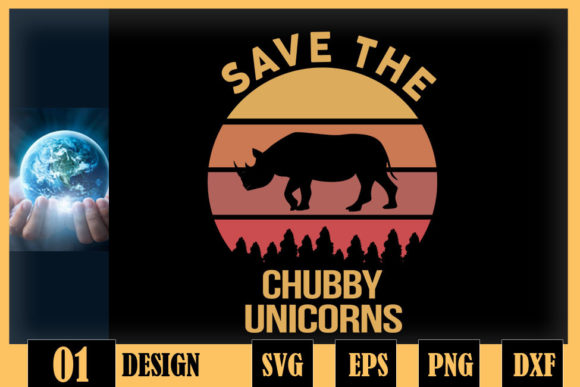
When I first opened the file for Save the Chubby Unicorns Fat Rhino, my immediate reaction was a mix of amusement and professional curiosity. In a market saturated with generic floral patterns and standard animal silhouettes, this design cuts through the noise with a distinct personality. It is not just a graphic; it is a statement piece that demands to be stitched into something tangible. As someone who has spent years reviewing embroidery files for both personal hobby projects and commercial client work, I look for designs that balance whimsy with structural integrity. This file delivers on the visual front, offering a "chubby" aesthetic that feels approachable, modern, and perfectly suited for the current trend of playful, character-driven decor.
The concept of saving these creatures resonates well with today's consumer base. The visual weight of the rhino suggests stability, while the unicorn element adds a touch of magic. When you translate this digital asset into a physical object, the mood shifts from a simple image to a tactile experience. I am imagining this design not just as a logo, but as the centerpiece of a custom embroidered tote bag or a soft sweatshirt for a child. The layout is clean enough to stand alone on a chest pocket, yet detailed enough to hold attention when placed centrally on a larger garment like a hoodie or a pillow cover.
From Screen to Stitch: A Real-World Scenario
To truly understand how Save the Chubby Unicorns Fat Rhino performs, we need to move beyond the screen and into the hoop. Let's imagine a specific project: a boutique owner preparing a holiday gift line for small shop merchandise. They want to create a limited run of embroidered aprons featuring unique, whimsical characters that will appeal to crafters and bakers alike. The goal is to produce a finished product that looks high-end but retains a handmade charm.
I tested the file in a simulated workflow for an apron project. The design's curves are smooth, which is critical when converting vector graphics into stitch data. The rhino's rounded form allows for excellent fill stitches, creating a plush texture that mimics the "fat" description in the title. However, the success of this project relies heavily on fabric selection. If I were using a heavy canvas for the apron, the design would pop beautifully. But if I attempted this on a thin, stretchy linen without proper stabilizer, the distortion could ruin the chubby shape, making the rhino look lopsided rather than cute.
In this scenario, the design elevates the perceived value of the item. Customers browsing an Etsy listing or walking through a craft fair booth are drawn to items that tell a story. An apron featuring this character isn't just kitchen wear; it becomes a conversation starter. The design acts as a brand consistency tool, signaling that the maker cares about detail and uniqueness. For a small business owner, this is exactly the kind of asset that helps differentiate their products from mass-produced goods found in big-box stores.
Navigating Technical Challenges
While the artistic vision is strong, every experienced designer knows that execution is where the rubber meets the road. There are specific situations where Save the Chubby Unicorns Fat Rhino requires careful consideration. First, let's talk about hoop size. While the design is versatile, attempting to stitch it on a very small hoop, such as those used for hat panels or delicate baby socks, might compromise the integrity of the details. The "chubby" nature of the subject implies volume, and cramming that volume into a tiny space can lead to thread breaks or a muddy appearance where the satin stitches overlap too densely.
Fabric texture plays another pivotal role. On textured fabrics like terry cloth or heavy boucle, the definition of the rhino's features might get lost. The machine embroidery process pushes thread into the fabric, and if the base material is too uneven, the design may shift. Similarly, dark fabrics present a challenge. Unless you plan to use a substantial underlay or a contrasting background patch, the colors of the design might struggle to show up clearly against a black or navy shirt. In these cases, the visual appeal depends entirely on the thread color choices and the quality of the digitizing.
Another area to watch is dense stitch areas. If the file contains tight clusters of stitches intended to create shading or depth, running them at high speeds on a home machine can cause puckering. This is particularly relevant for products that need frequent washing, such as dish towels or kids' clothing. Over time, excessive density can lead to fabric distortion. Therefore, before committing to a large production run of custom apparel or embroidered patches, it is wise to test the design on scrap fabric first. Check the thread color contrast, review the stitch density, and inspect small details to ensure they haven't been lost in translation.
Commercial Viability and Licensing
For those of us selling our creations, the question of licensing is paramount. The product description mentions compatibility with major software programs like Cricut Design Space, Silhouette Studio, Corel Draw, Adobe Illustrator, and Adobe Photoshop. This flexibility is a massive plus for digital product sellers and creative entrepreneurs who need to manipulate assets for various workflows. Whether you are creating printable mockups for an Etsy listing or adjusting the design for a direct-to-garment print, having access to these formats ensures your workflow remains smooth.
However, the ability to open the file does not automatically grant the right to sell the finished product. Before launching a line of holiday gifts or wedding gifts featuring this design, you must confirm the license terms. Does the purchase allow for commercial use? Can you sell the final embroidered items, or only the digital file? These distinctions are crucial for protecting your small shop product line from legal issues. If the license permits commercial embroidery, this design could be a goldmine for personalized gifts. The unique theme makes it perfect for nursery decor, baby clothes, or even a fun addition to a wedding party's attire.
Final Verdict on Visual Impact
Ultimately, Save the Chubby Unicorns Fat Rhino succeeds because it brings a sense of joy to the table. In the world of machine embroidery design, emotional connection is just as important as technical precision. This file offers a design that customers will recognize and appreciate. It fits naturally into categories ranging from toddler fashion to adult novelty wear. The "Fat Rhino" concept is memorable, and when executed correctly with proper stabilizer and thread colors, it results in a finished product that feels professional and polished.
For the hobbyist, this is a fun project that yields a great result. For the Etsy seller or craft business owner, it is a strategic asset that can drive engagement and sales. Just remember to respect the technical limitations of embroidery. Test your backgrounds, manage your expectations regarding fabric types, and always verify your usage rights. When you take the time to do the groundwork, this design transforms from a simple download into a standout feature of your handmade collection. It proves that with the right design assets, even the most whimsical ideas can become profitable, high-quality realities.