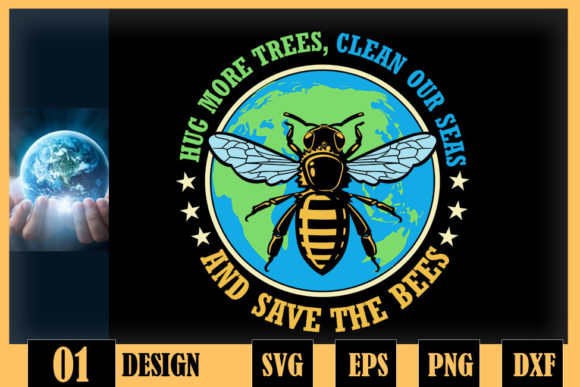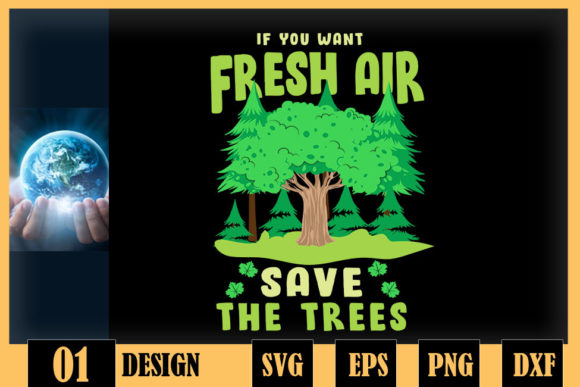
Save the Trees for Fresh Air Graphics in Crafts
I recently received a request from a client launching an eco-friendly lifestyle brand. They wanted to create a cohesive visual identity that felt organic, approachable, and deeply connected to nature. The brief was specific: avoid corporate sterility while maintaining professional polish. As I sifted through various design assets, one particular piece caught my eye immediately: Save the Trees for Fresh Air. This graphic is not just another clipart image; it feels like a foundational element for a brand that wants to communicate sustainability without shouting. In this review, I am breaking down exactly how this asset performs when applied to real-world commercial projects, from packaging to social media graphics.
First Impressions and Visual Mood
When you first open the file for Save the Trees for Fresh Air, the immediate feeling is one of grounded authenticity. The design strikes a balance between rustic charm and modern cleanliness. It does not look like a generic vector cutout found in a free library; there is a deliberate weight to the strokes and a clear intention behind the composition. For a designer working on brand identity or packaging design, this mood is crucial. It suggests a handmade business that cares about its impact, which is exactly what the client needed.
The style fits naturally into the Crafts and Graphics categories, but its versatility extends far beyond simple hobbyist projects. It works exceptionally well as a decorative accent on tote bags, a hero graphic for a website banner, or even as part of a larger typographic layout for a campaign poster. The visual hierarchy is clean enough to support text, yet detailed enough to stand alone as a statement piece.
Real-World Application in Client Projects
To truly test the utility of this asset, I simulated several scenarios where Save the Trees for Fresh Air could be the centerpiece of a deliverable. Imagine a small business owner selling organic soaps or reusable coffee cups. Using this design on product labels creates an instant connection with environmentally conscious consumers. The imagery acts as a visual shorthand for their values, reducing the need for heavy copywriting to explain the brand ethos.
In the realm of digital design, this asset shines. I tested placing it within a Canva template for Instagram posts. Because the lines are distinct, it scales beautifully whether used as a full-screen background element or a small icon next to a quote. It also performed admirably in a mockup for a print-on-demand t-shirt design. The negative space around the tree elements allows the garment color to breathe, preventing the design from looking cluttered or overwhelming.
For editorial design or blog visuals, Save the Trees for Fresh Air serves as an excellent header image. It breaks up long blocks of text and adds a layer of thematic relevance to articles about sustainability, gardening, or outdoor living. When paired with the right typography, it transforms a standard blog post into a visually engaging experience that encourages readers to stay longer on the page.
Where This Asset Excels
- Large Layout Areas: It commands attention on hero sections of websites or large format posters where detail can be appreciated.
- Product Mockups: It looks authentic when wrapped around physical objects like mugs, stickers, or shopping bags.
- Themed Collections: It pairs seamlessly with other nature-inspired elements to create a unified marketing visuals suite.
- Social Media Graphics: Its clarity ensures it remains recognizable even on smaller mobile screens.
Areas Requiring Careful Consideration
However, no single asset is perfect for every situation. While Save the Trees for Fresh Air is robust, there are contexts where it might struggle. If you are designing for a minimalist corporate brand that relies on stark white space and ultra-thin sans-serif fonts, this graphic might feel too textured or busy. Similarly, in crowded layouts with dense information, the intricate details of the tree illustration could get lost.
It is also important to consider visual hierarchy. If the goal is to direct the user's eye primarily to a call-to-action button, using this graphic as the dominant element might compete for attention. In such cases, it should be treated as a supporting brand element rather than the focal point. Additionally, for very small sizes, such as favicons or tiny app icons, the fine lines may blur, requiring simplification or conversion to a simpler icon version.
Technical Performance and File Integrity
From a technical standpoint, the compatibility of this SVG design and PNG design is impressive. The prompt mentions support for Cricut Design Space, Silhouette Studio, Corel Draw, Adobe Illustrator, and Adobe Photoshop, which covers the vast majority of the creative workflow. This flexibility means a designer can start with the vector file in Illustrator for precise scaling and then export high-resolution PNGs for web use without losing quality.
For those utilizing cutting machines, the vector paths are clean and ready for sublimation design or sticker production. There were no jagged edges or unnecessary anchor points that required manual cleanup, saving valuable time during the prep phase. The transparency in the PNG files was crisp, ensuring that the tree graphic blended perfectly over any background color or texture.
Practical Designer Notes for Commercial Use
Before integrating Save the Trees for Fresh Air into a paid project, there are several checks every professional should perform. First, always test the asset in black and white. This helps ensure that the contrast holds up if the final output requires monochrome printing or if the client needs a grayscale version. Second, preview the design at both small and large sizes to verify that the details remain legible.
If the project involves print-on-demand or physical merchandise, do a test print. Sometimes digital colors shift slightly on fabric or paper, so checking the final output is essential for maintaining brand consistency. You should also compare the style of this graphic against serif, sans-serif, script, and handwritten fonts to find the best pairing. In my testing, it worked best with bold, clean display fonts that matched its natural aesthetic, avoiding overly ornate scripts that could clash with the organic theme.
Finally, and most critically, confirm the commercial license before using this asset for a client. Ensure that the terms allow for resale items, such as printable wall art or physical goods sold on Etsy. A design bundle often comes with different licensing tiers, so reading the fine print protects your business and your client.
Final Verdict on Creative Potential
Save the Trees for Fresh Air is more than just a downloadable image; it is a versatile tool that elevates the emotional appeal of a design project. Whether you are building a small business branding package, creating marketing visuals for a seasonal campaign, or crafting unique Etsy products, this asset provides a solid foundation. It bridges the gap between artistic expression and commercial viability, offering a polished look that resonates with modern audiences who value sustainability.
For designers looking to add depth and meaning to their work without compromising on technical quality, this graphic is a strong addition to any library. It proves that thoughtful creative design can drive engagement and trust, making it a worthy investment for serious creators.